Nerdy Dads Build Character – Gaming SVG: A Practical Guide for Creative Workflows
Digital design assets have reshaped how creators, hobbyists, and small business owners approach projects. One standout offering in this space is the Nerdy Dads Build Character – Gaming SVG bundle. This set isn’t just another graphic file—it’s a versatile resource that fits into a wide range of creative, commercial, and personal workflows. Whether you are crafting custom apparel, designing digital content, or building a brand around gaming culture, understanding how to integrate this asset effectively can save time, reduce friction, and improve the quality of your output.
This article walks through what the Nerdy Dads Build Character – Gaming SVG offers, where it fits into real-world processes, and how you can use it before, during, and after a project. We’ll also cover compatibility considerations, practical implementation tips, and long-term asset management strategies.
What the Nerdy Dads Build Character – Gaming SVG Bundle Includes
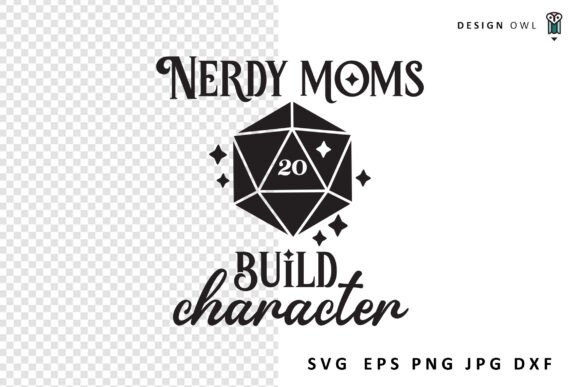
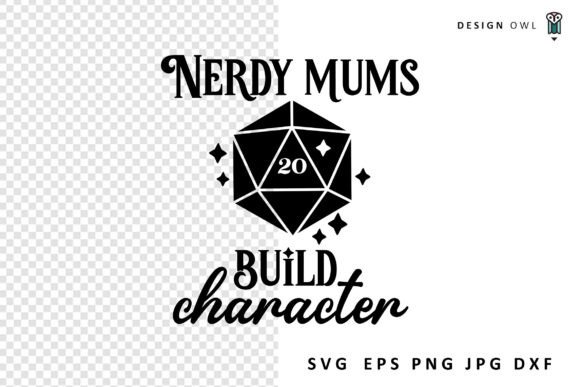
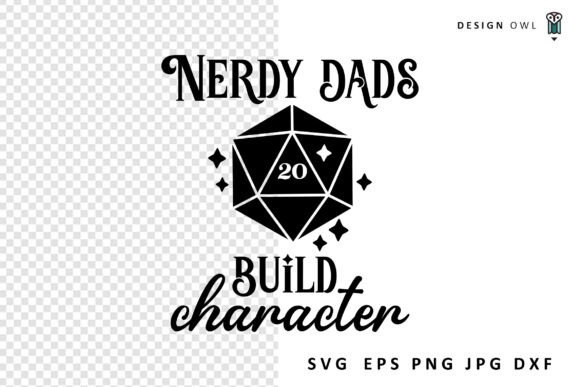
At its core, this bundle delivers a single, well-crafted design built around the theme of nerdy dads and gaming culture. The design is provided in five common file formats: SVG, JPG, PNG, EPS, and DXF. Each format serves a distinct purpose depending on your software, hardware, and final output medium. Having all five in one purchase means you can move from concept to finished product without needing to convert files yourself.
The bundle is designed with compatibility in mind. It works with Photoshop, Illustrator, Inkscape, Cricut Design Space, Silhouette Studio, and many other programs. This broad compatibility makes it a practical choice for anyone who uses multiple tools across different stages of a project.
Where This Asset Fits in a Broader Creative Process
The Nerdy Dads Build Character – Gaming SVG is not a standalone solution; it’s a component that can be inserted into a larger workflow. Where you place it in your process depends on what you are building. Here are three common entry points:
Before the Project: Planning and Asset Gathering
During the planning phase, you might be collecting visual elements that align with a theme. If you are designing a line of apparel for a gaming event, creating social media content for a dad-focused brand, or building a personal project around gaming nostalgia, having a pre-made design like this can anchor your visual direction. Instead of designing from scratch, you can use the SVG or EPS file as a base for further customization.
In this phase, the file formats matter. The SVG and EPS are vector formats, meaning they scale infinitely without losing quality. This is especially useful when you are still deciding on output sizes. You can resize the design up or down without redrawing it. The PNG and JPG give you quick raster previews to drop into mockups or mood boards. The DXF format is useful if you plan to use CAD-adjacent tools or certain cutting machines that prefer that format.
During the Project: Production and Customization
This is where the bundle does most of its work. Depending on your output, you will choose a format that matches your production tool.
- For Cricut or Silhouette users: Import the SVG or DXF directly into Design Space or Silhouette Studio. The design is ready to cut, score, or draw. No tracing or cleanup is required in most cases.
- For screen printers or sign makers: Open the EPS in Illustrator or CorelDRAW to separate colors, adjust stroke weights, or prepare the file for RIP software. The vector nature means you can manipulate individual nodes and paths.
- For digital content creators: Use the PNG with a transparent background for quick placements in Canva, social media graphics, or video overlays. The high-resolution JPG works well for print-on-demand mockups.
- For laser engravers: The DXF or SVG format imports cleanly into LightBurn or similar software, giving you control over power and speed settings per layer.
Because the design is already clean and well-constructed, you spend less time troubleshooting and more time producing. This matters when you are working on batch orders, tight deadlines, or multiple product variants.
After the Project: Archiving and Reuse
One underappreciated part of using vector-based assets is their reusability. After your first project is complete, you can archive the files in a structured folder system. Because the design comes in multiple formats, you can store the original SVG as your master file and generate new raster versions as needed. This is useful if you release seasonal designs, offer variations of the same theme, or want to revisit the asset months later.
The design also works as a base for derivative work. You can recolour it, combine it with other elements, or modify specific parts. The EPS and SVG are particularly accommodating for this because they preserve layer information and editable paths. Over time, a single purchase can yield dozens of outputs.
Compatibility and Tool Integration
One of the strongest points of this bundle is how it interacts with a range of software and hardware. Let’s break down what works best with each major platform.
Adobe Photoshop and Illustrator
In Illustrator, open the EPS or SVG directly. Both formats retain vector properties, so you can scale, change colours, and edit individual elements. In Photoshop, the PNG works best for layered compositions, while the EPS can be placed as a smart object for non-destructive scaling. If you work across both programs, the vector originals give you the most flexibility.
Inkscape (Open Source)
Inkscape handles SVG natively. This is excellent for users who prefer open-source tools or need a free alternative. The design will open without conversion issues. You can export to PDF, PNG, or other formats from there.
Cricut Design Space
Upload the SVG file directly. Because the design is already optimized for cutting, you should not need to flatten or weld unless you are combining it with other elements. Check the size before cutting, but otherwise the process is straightforward. The DXF version works as an alternative if you prefer that import path.
Silhouette Studio
Both SVG and DXF import cleanly. Silhouette users often prefer DXF for certain operations, but SVG is equally reliable here. The design is single-layer, which keeps the cutting process simple.
Other Software and Devices
The JPG and PNG are universal fallbacks. You can use them in Canva, Procreate, Affinity Designer, GIMP, or even Microsoft Word if you are creating simple flyers or documents. The EPS is a standard for professional print workflows and many legacy systems still rely on it.
Practical Implementation Tips
Getting the most out of the Nerdy Dads Build Character – Gaming SVG bundle involves more than just downloading and importing. Here are observations from real-world use that can improve your results.
Preparation: Check Your Software Version and Import Settings
Before importing, make sure your software is updated. Older versions of Silhouette Studio, for instance, may handle SVG imports differently than newer ones. If you encounter scaling issues, check your import settings. Most vector formats include resolution and dimension metadata, but some programs apply a default scale. Verify dimensions early to avoid rework.
Organization: Build a Folder Structure for Repeated Use
If you plan to use this design across multiple projects, create a dedicated folder for it. Include subfolders for the original files, edited versions, and final exports. Name your files with the format and date (e.g., nerdy-dads-build-character_gaming_svg_2025.svg). This makes it easy to find the master file when you need to generate a new output variant.
Efficiency: Use Templates for Common Outputs
Once you have customized the design for a specific use (e.g., a t-shirt print, a sticker, a social media graphic), save that configuration as a template. For example, if you set up the SVG in Illustrator with your brand colours and output dimensions, save that as a template file. Next time you need a similar product, you only need to adjust details rather than rebuild from scratch.
Consistency: Maintain a Style Guide
If you are using this design as part of a larger brand or product line, note the colours, stroke weights, and proportions you used. This helps maintain visual consistency across different products. A simple style guide document (even a text file) can prevent drift over time.
Quality Control: Test on Small Runs First
For physical production, test the design on a single item before scaling up. Cutting machines can behave differently depending on material, blade sharpness, and mat tackiness. A quick test cut with the SVG or DXF will reveal if you need to adjust offset, pressure, or speed. For digital use, preview the PNG or JPG on your target platform to ensure resolution and aspect ratio are appropriate.
Long-Term Use and Asset Lifespan
Digital assets can have a long working life if managed well. The Nerdy Dads Build Character – Gaming SVG bundle is particularly suited to long-term use because of its vector foundation. Unlike raster images that degrade when resized, vectors remain crisp regardless of scaling. This means you can use the same design for a small sticker now and a large banner years later.
The theme itself—nerdy dads and gaming—has enduring appeal. Gaming culture continues to grow across age groups, and the dad angle adds a relatable, humorous touch. This makes the design suitable for recurring product lines, annual events, or ongoing content themes. You are not locked into a single use case.
Archiving the original files in a location separate from your active projects protects against accidental loss. Cloud storage with versioning is ideal. If you ever need to revisit the design, you can pull the master file and generate new outputs without relying on the original purchase link.
How This Fits into a Business or Personal Creative Workflow
Whether you are a freelancer fulfilling client orders, a small business owner managing a print-on-demand shop, or a hobbyist making gifts for friends, the Nerdy Dads Build Character – Gaming SVG bundle reduces the distance between idea and finished product.
For freelancers and designers, it saves billable hours. Instead of drawing a custom graphic from scratch, you start with a polished design and spend your time on composition, colour matching, and client-specific adjustments. This makes your process more efficient without sacrificing quality.
For print-on-demand sellers, having a design that works across multiple platforms (Redbubble, Teespring, Printful, etc.) is valuable. The PNG version uploads directly to most POD sites, while the vector formats allow you to create mockups or prepare files for local printing partners.
For hobbyists and parents, the ease of use is the main draw. If you are not a professional designer, you likely want something that opens, cuts, or prints without complications. The fact that the SVG works in Cricut Design Space with minimal effort is a practical advantage. You can go from download to finished shirt, mug, or decal in an afternoon.
For educators and community group leaders, the design can be used in workshops or group projects. The multiple file types mean you can distribute the asset to participants regardless of what software or hardware they have. This lowers the barrier to entry for people learning digital design or fabrication.
Observations on Asset Selection and Workflow Integration
Choosing a digital design asset is not just about the visual style. It is about how that asset fits into your existing tools, your skill level, and your production environment. The Nerdy Dads Build Character – Gaming SVG bundle addresses these factors by offering broad format support, clean vector construction, and a theme that resonates with a specific audience.
When you purchase an asset like this, you are effectively outsourcing the initial design work. The value lies not in the file itself but in the time and effort it replaces. A well-structured SVG can eliminate hours of node editing, colour picking, and test cuts. For someone who values efficiency—whether in a commercial setting or a personal project—that time saving is significant.
It also reduces the cognitive load of starting from a blank canvas. Having a strong design as a starting point lets you focus on the parts of the process you enjoy most or that add the most value to the final product.
Final Practical Notes
If you are unsure which format to start with, begin with the SVG. It is the most universally compatible vector format and works well across cutting software, design programs, and even web applications. The PNG is your best bet for quick digital mockups or if you are working in a non-vector environment. Keep the EPS as a backup for professional print workflows, and the DXF for specific hardware requirements.
When you download the files, check your Downloads folder immediately and move them to a dedicated project folder. This small habit prevents the frustration of searching for files later. If you make edits, save a copy of the modified vector file alongside the original. This gives you the option to revert or start fresh on a new variant.
The Nerdy Dads Build Character – Gaming SVG bundle is a practical addition to any creative toolkit. By understanding its formats, planning its placement in your workflow, and applying the implementation tips outlined here, you can move from purchase to production with confidence and control.