Why Video Game Controller SVG and Gaming SVG Files Are Essential for Modern Design Projects
When you start searching for the perfect digital assets to represent gaming culture, you quickly realize that vector graphics have taken over the industry. Whether you are designing a website for an esports tournament, creating merchandise for a gaming community, or building a mobile app interface, the quality and flexibility of your graphics matter more than ever. Among the most requested and versatile assets are Video Game Controller SVG and Gaming SVG files. These vector-based graphics are not just trendy decorations but practical tools that solve real design problems across multiple industries. Understanding what makes them valuable, how they function in different workflows, and what to look for when choosing them can save you time, money, and frustration.
What Exactly Are Video Game Controller SVG and Gaming SVG Files?
An SVG, or Scalable Vector Graphic, is a file format that uses mathematical equations rather than pixels to render images. This means a Video Game Controller SVG can be scaled to the size of a billboard or shrunk down to a favicon without any loss of quality. A Gaming SVG file works exactly the same way but often includes a broader range of gaming-related imagery such as keyboards, mice, headsets, joysticks, retro consoles, or abstract gaming icons. The core advantage here is resolution independence. When you download a set that includes one SVG file, one PNG file, one JPG file, and one EPS file, you are essentially future-proofing your project. The SVG and EPS files give you infinite scalability, while the PNG and JPG versions provide immediate compatibility with software that may not handle vector formats natively.
This combination of formats is particularly useful because different tools and platforms handle graphics differently. A web designer might use the SVG directly in code, a print shop may prefer the EPS for large-format printing, and a social media manager might grab the PNG or JPG for a quick post. Having all four formats ensures that no matter where your project goes, the graphic remains crisp and consistent.
The Practical Benefits of Using Vector-Based Gaming Graphics
One of the first things you notice when working with raster images like standard JPGs or PNGs is how quickly they break down when resized. Enlarge a small JPG of a game controller and you will see jagged edges and blurry details. A Video Game Controller SVG eliminates this problem entirely. You can scale it up or down, change colors, remove elements, or combine it with other graphics without degradation. This is a massive advantage for anyone building responsive websites, designing multi-size merchandise, or creating presentations that need to look sharp on both a laptop screen and a projector.
Beyond scaling, there is the matter of file size. SVG files are often significantly smaller than their raster counterparts, especially for simple shapes like a controller silhouette. A single Gaming SVG file might be only a few kilobytes, while a high-resolution PNG of the same graphic could be several megabytes. This translates to faster website load times, smoother editing experiences, and less storage consumption over time. For developers and designers working with limited resources, this is not a small detail.
Another practical benefit is editability. Because SVGs are built with code, you can open them in a text editor, tweak colors by changing hex values, adjust stroke widths, or even animate specific parts using CSS or JavaScript. If you have ever needed to match a brand's exact shade of blue or create a hover effect for a button, you understand why raw editability matters. Raster files simply do not offer that level of control without destructive editing.
Where Gaming SVG Files Fit Into Modern Workflows
The use cases for Video Game Controller SVG and Gaming SVG files have expanded far beyond the obvious. Yes, they are perfect for gaming websites, YouTube channel art, Twitch overlays, and esports branding. But they also appear in unexpected places. Educational technology companies use these graphics to gamify learning apps. Event organizers use them for tournament signage and ticket designs. App developers incorporate them into mobile games for UI elements like pause buttons, settings menus, and achievement badges. Even corporate training platforms have started using gaming-style icons to make onboarding materials more engaging for younger employees.
Consider a scenario: you are building a streaming platform for indie game developers. You need consistent iconography that represents different genres, controller types, and platform logos. A well-organized set of Gaming SVG files allows you to load only the icons you need, style them with CSS to match your theme, and ensure they look clean on every device from a 4K monitor to an old smartphone. The alternative would be exporting dozens of PNGs at multiple resolutions and hoping the alignment works everywhere. The vector approach is cleaner, faster, and more maintainable.
Print workflows also benefit greatly. If you are printing a poster, a t-shirt, or a sticker, having the vector source file means the print shop can work directly with the highest quality version. A Video Game Controller SVG converted to a cut path for vinyl decals is a common request. Without the vector file, you would sacrifice detail during the conversion process. Having the EPS version adds even more compatibility, as many professional printing and cutting machines rely on that format.
Key Qualities to Look for in a Gaming SVG Asset Bundle
Not all Video Game Controller SVG files are created equal. When you are evaluating a bundle that includes an SVG, PNG, JPG, and EPS, there are several qualities worth checking. First, examine the structural quality of the SVG itself. Open it in a browser or editor and look for overly complex paths, unnecessary anchor points, or messy grouping. A clean SVG is easier to edit, smaller in file size, and renders more predictably across different software. If the paths look jagged or the shapes have odd bumps when zoomed in, the original artwork was likely not created with vectors in mind and was poorly traced from a raster image.
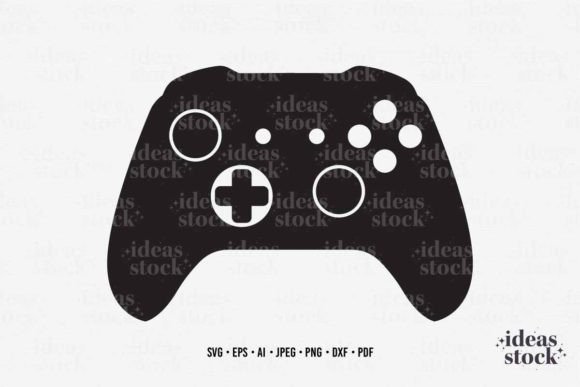
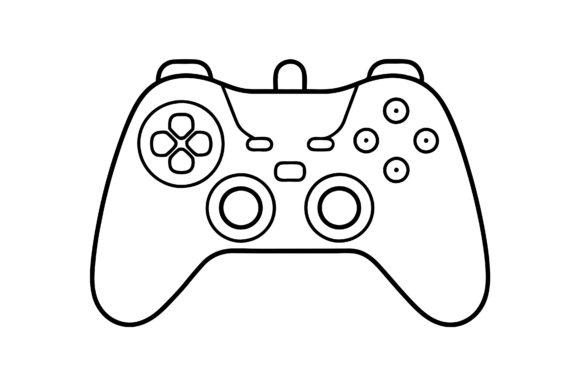
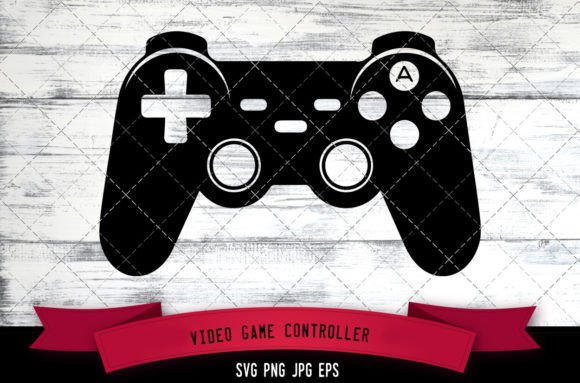
Second, consider the level of detail. Some Gaming SVG files are simple silhouettes, while others include intricate internal lines, buttons, thumbsticks, d-pads, and subtle shading. Both have their place. A minimalist design works well for small icons, badges, and monochrome branding. A highly detailed vector is better suited for larger prints, hero images, or situations where you want the graphic to stand on its own. The bundle should ideally offer a consistent style across all included images so you can use them together without visual clash.
Third, pay attention to the included formats and their specifications. The PNG and JPG files should be at a resolution that is actually useful. A 500x500 pixel PNG might look fine on a blog post but will fall apart on a printed banner. Look for bundles that offer at least 2000x2000 pixels for raster versions, and ideally multiple size options. The EPS file should be compatible with Adobe Illustrator, CorelDRAW, and other major vector editors. Some older EPS formats do not open cleanly in modern software, so checking compatibility upfront prevents headaches later.
Common Considerations Before Choosing or Using These Assets
One factor that often gets overlooked is licensing. You might find a beautiful Video Game Controller SVG online for free, but if it is licensed under restrictive terms, you cannot use it commercially. Always verify whether the file allows commercial use, modification, redistribution, or inclusion in products you plan to sell. Many design marketplaces clearly label licenses, but free download sites can be ambiguous. When in doubt, purchase from a reputable source or use assets explicitly marked for commercial use.
Another consideration is the balance between versatility and specificity. Some Gaming SVG sets focus on modern console controllers, while others cover retro designs, arcade sticks, or generic gamepads. If your project targets a specific audience, like fans of classic 16-bit gaming, a retro controller vector will resonate more than a generic one. However, if you are building a broad gaming resource, generic designs are safer and more universally recognizable. Having a mix of both in your asset library is ideal, but start with what matches your immediate project needs.
File organization also matters. When you download a bundle with an SVG, PNG, JPG, and EPS, you want clear filenames and folder structures. Nothing slows down a workflow like digging through files named "controller_final_v3.svg" or "untitled-01.jpg." A well-organized bundle groups formats, includes thumbnails, and uses consistent naming conventions. This may seem like a small thing, but it becomes crucial when you are managing dozens of assets across multiple projects.
Recommendations for Getting the Most Out of Your Gaming SVG Files
If you are new to working with Video Game Controller SVG files, start by exploring what your existing tools can handle. Most modern design software such as Figma, Sketch, Adobe XD, Affinity Designer, and even web browsers support SVGs natively. You can drag an SVG directly into a div in your HTML and style it with CSS. For print projects, open the EPS in Illustrator or CorelDRAW and adjust colors, crop areas, or combine elements before exporting to your final format. The PNG and JPG versions are there for convenience, but the real power lies in the vector source files.
Consider building a small library of Gaming SVG assets sorted by style, theme, and complexity. Over time, this library becomes a resource you can pull from quickly for client projects, personal work, or even just for fun. Having a go-to set of high-quality vectors reduces the time you spend hunting for graphics and increases the consistency of your designs. Many experienced designers keep a folder of curated SVGs that they have tested and edited themselves, rather than relying on random online searches each time.
Finally, experiment with customization. One of the best reasons to use a Video Game Controller SVG is that you can make it your own. Change the colors to match your brand, add a glow effect for a gaming aesthetic, animate the buttons with a hover state, or combine multiple controllers into a pattern. The more comfortable you become editing vectors, the more value you will get from every file you own. The learning curve is minimal, especially if you are already comfortable with basic design software, and the payoff is substantial.
Whether you are designing a mobile app, a live stream overlay, merchandise for a gaming convention, or educational content for game design students, the combination of SVG, PNG, JPG, and EPS files gives you everything you need to deliver professional-quality work. The Video Game Controller SVG format in particular offers unmatched flexibility, consistency, and performance. And as more industries adopt gaming elements into their branding and interfaces, having these assets ready and organized puts you ahead of the curve. The next time you start a project that touches gaming culture, reaching for vector files first will save you time, improve your results, and give you the creative freedom that raster images simply cannot match.